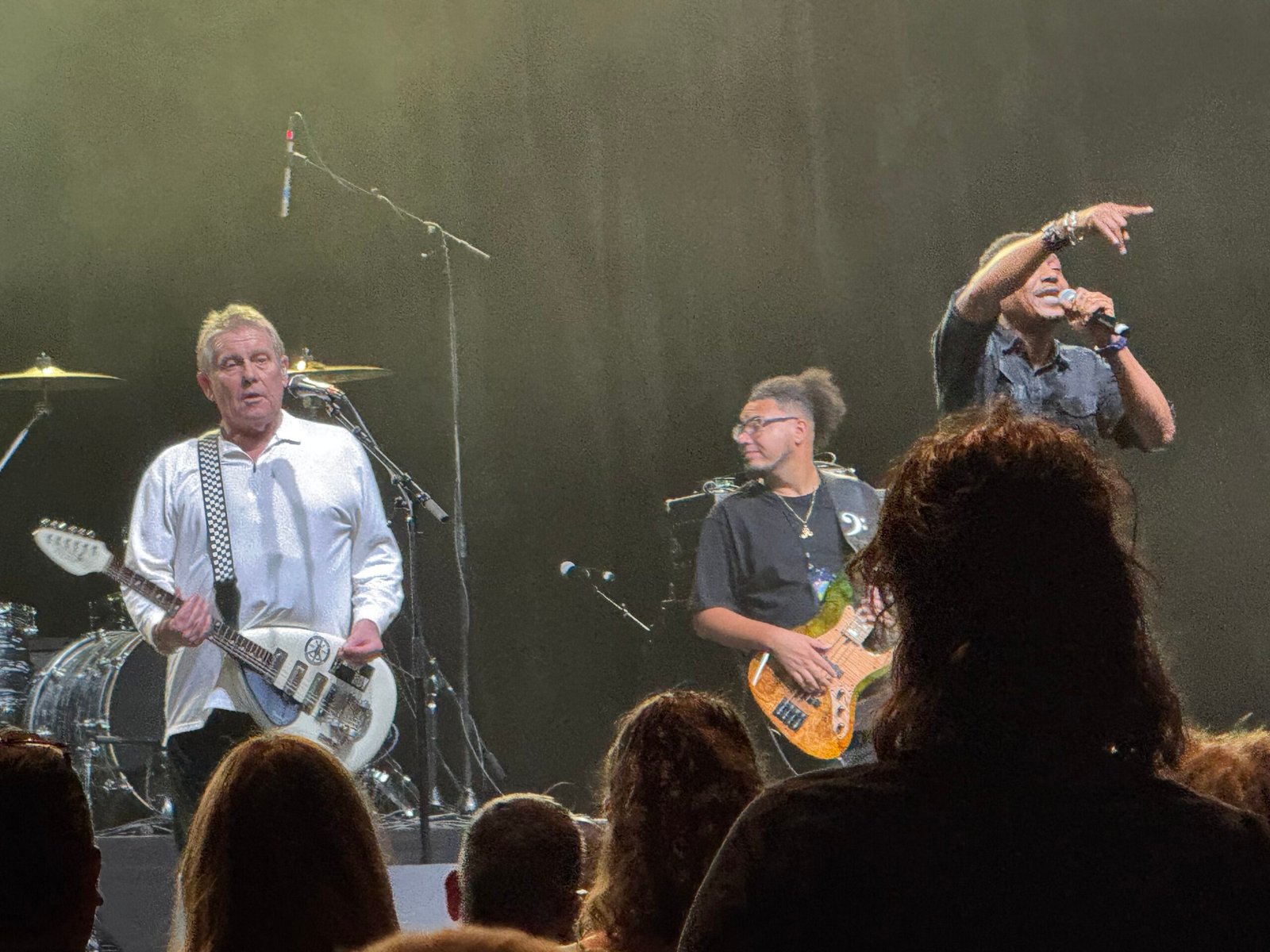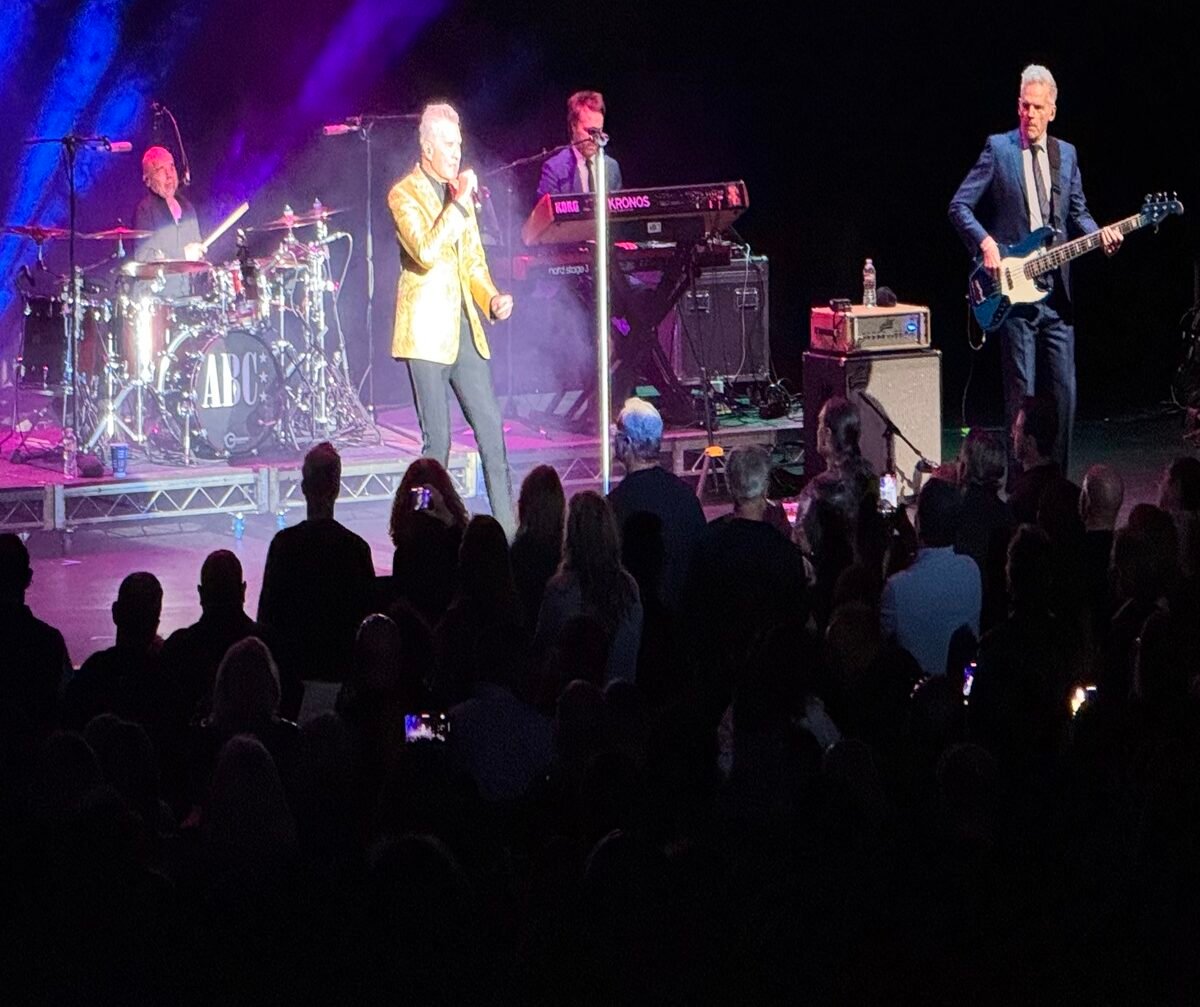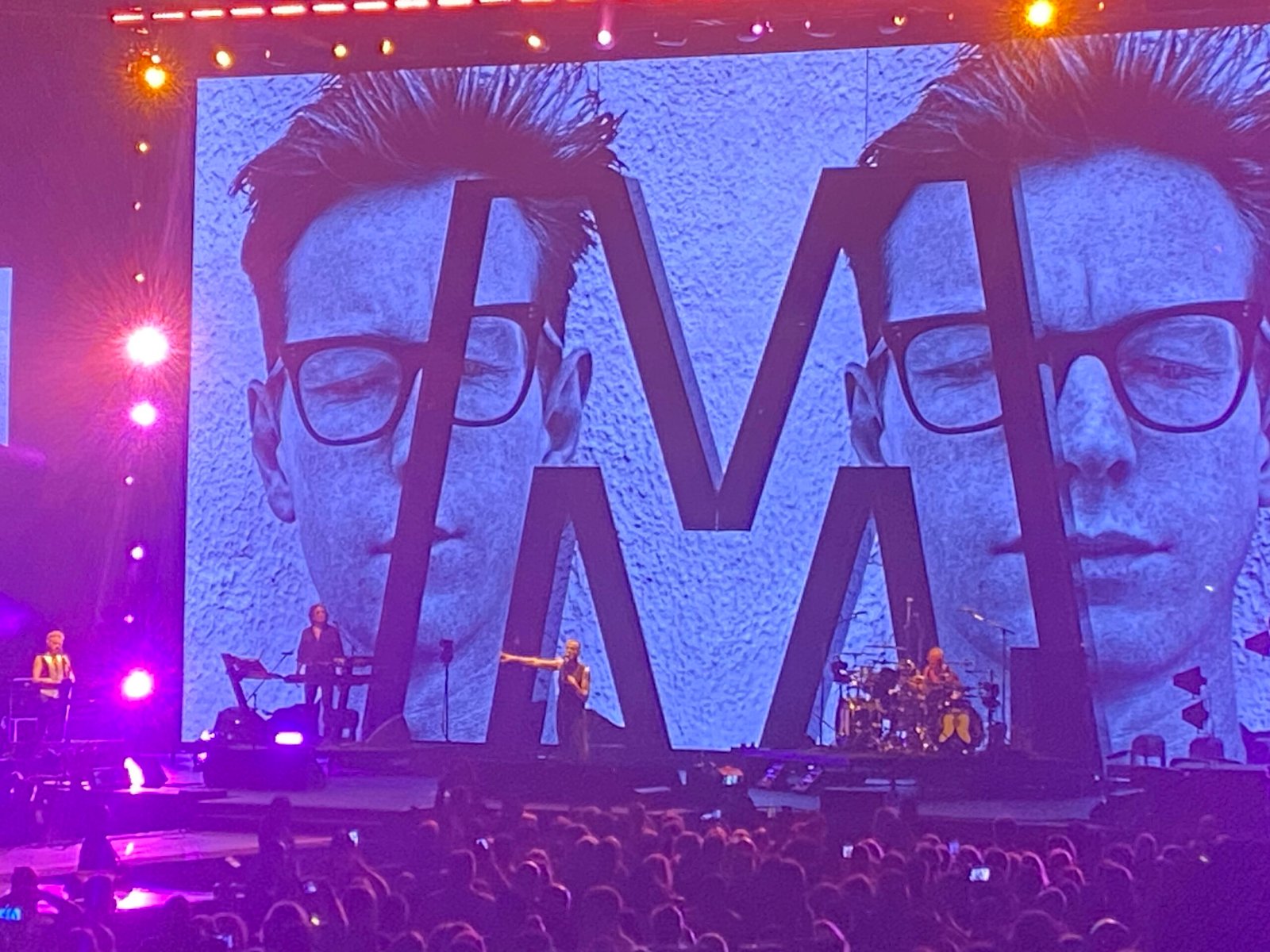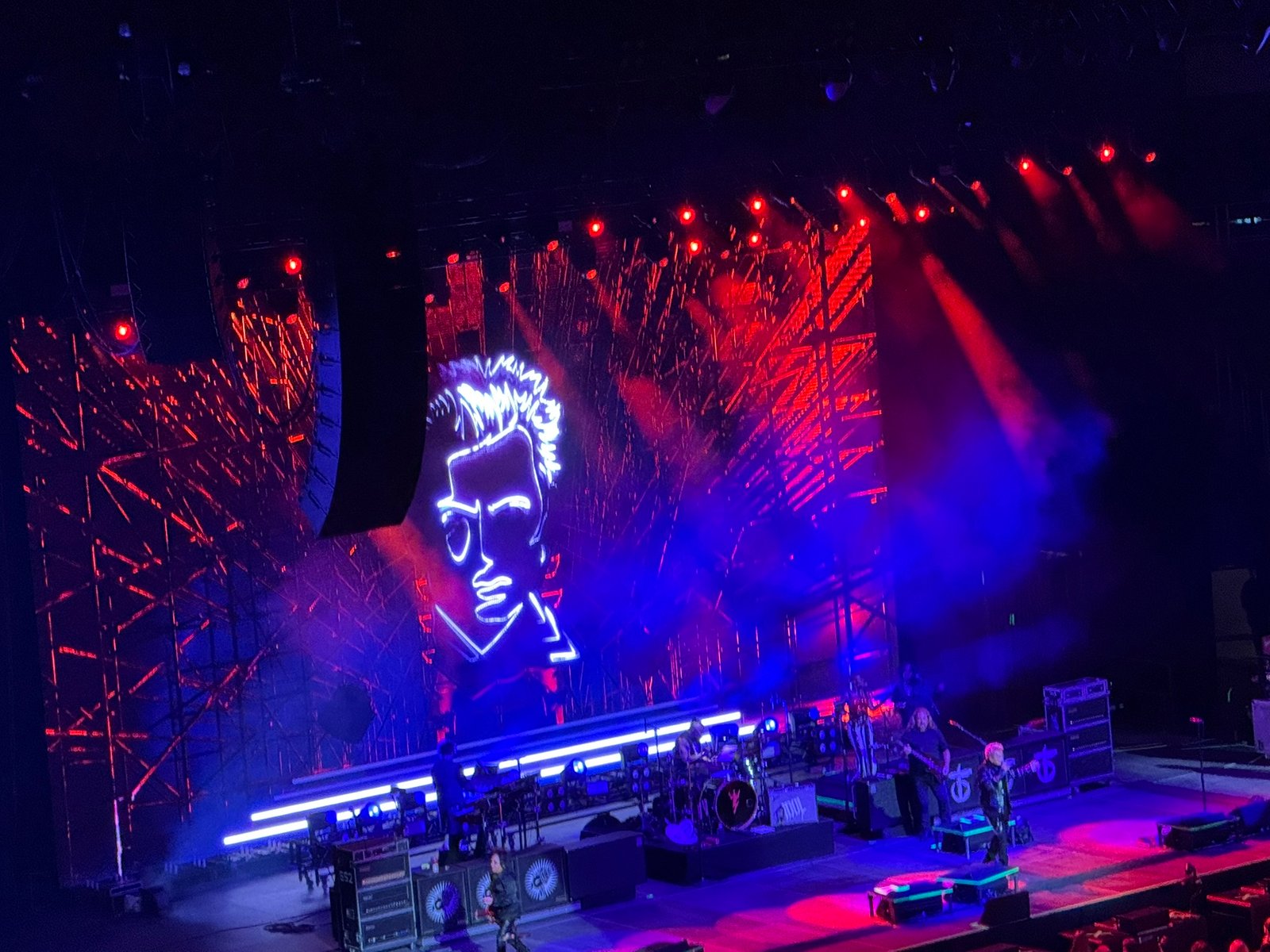
Somewhere between the fading ink on my old ticket stubs and the aching back that shows up whenever I stand too long at a show, it hit me that I’ve now seen certain bands in two completely different lifetimes. Once when the idea of needing recovery time after a concert would’ve made me laugh out loud, and again now that I actually plan for it (pro tip: Advil before the show works wonders). OMD, Depeche Mode, Morrissey, Love and Rockets, The B‑52’s, and Jane’s Addiction were the soundtrack to my late‑80s and early‑90s world: loud, weird, emotional, and full of possibility.
Seeing them again decades later felt less like attending concerts and more like catching up with old friends I hadn’t realized I’d missed this much. The details of those early shows may be blurry, but the feeling—electric, messy, alive—never really left. What I do remember is the rush, the noise, and the sense that these bands were soundtracking a version of me that was still evolving.
And since each of these bands marked a different chapter of my life, it only feels right to revisit them in the order they first crashed into my world—starting with the synth‑soaked elegance of Orchestral Manoeuvers in the Dark or OMD.
The Night It All Started: OMD Opening for Depeche Mode at the Rose Bowl
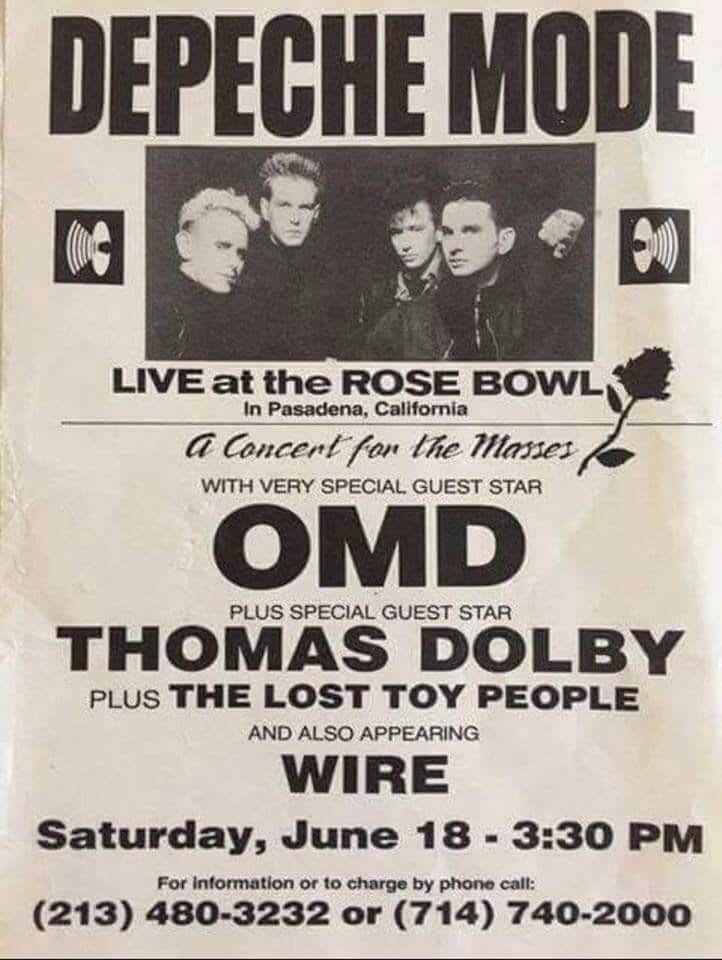
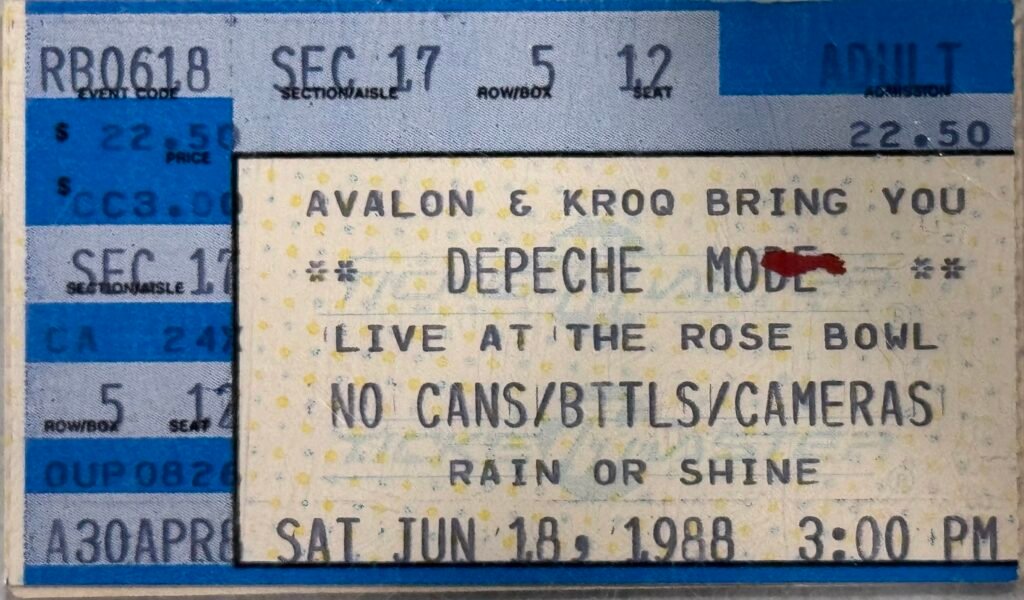
I first saw OMD in one of the most legendary settings imaginable: the Depeche Mode 101 Rose Bowl show in 1988. Billed as a “Concert for the Masses.” A play on Depeche Mode‘s 1987 album Music for the Masses. A night so huge it barely feels real in hindsight. They weren’t just an opening act—they were part of a cultural moment, playing sleek, shimmering synth‑pop to a stadium full of black‑clad fans who were still filing in, buzzing with anticipation. My memories of their set are more impressionistic than detailed now—sunlight still hanging over the Arroyo Seco, the sound bouncing off concrete of the majestic bowl, that feeling of being swept into something bigger than any one band as beach balls and concession‑stand treasures flew across the historic Rose Bowl.
But even in that massive space, OMD had a precision, elegance, and sheer enthusiasm that cut through the chaos. What stuck with me most was Andy McCluskey himself—bounding across the stage, throwing his whole body into every bass line, radiating a joyful intensity that felt almost disarming in a stadium that size.
I loved every minute of Depeche Mode’s set that night, but Dave Gahan carried himself with a cooler, more detached charisma. The kind that keeps a little distance between performer and crowd. McCluskey, by contrast, felt like he was trying to reach the back row with nothing but kinetic energy and a grin. Seeing OMD again decades later, in a far more intimate setting, felt like rediscovering a band I’d only half understood the first time around—one whose heart was just as compelling as its synths.
Depeche Mode & OMD – The Pinnacle of 80’s New Wave Music
What makes that night even more remarkable in hindsight is how culturally seismic it turned out to be. Depeche Mode’s 101 Rose Bowl show wasn’t just another tour stop—it became a defining moment for alternative music in America. The kind of event that gets mythologized in documentaries and passed down like folklore.
To have OMD woven into that night, playing their shimmering synth‑pop as the sun set over 60,000 fans, gave my first experience with them a kind of historical weight I didn’t fully grasp at the time. I wasn’t just seeing a band I liked; I was watching a piece of music history unfold in real time, with OMD standing right there on the same stage, part of the same cultural wave that helped push electronic music into the mainstream. It was the night everything felt bigger than me—and the night OMD quietly claimed a permanent corner of my musical DNA.
Rediscovering OMD in the Streaming Era
What makes seeing OMD decades later so different is that I’m not the same kind of fan I was in 1988. Back then, I knew the hits—If You Leave, So in Love, Dreaming—the songs that floated across KROQ and MTV often enough to become part of the wallpaper of my teenage years. I liked them, even owned the Pacific Age on cassette tape, but I didn’t yet understand the depth of what they were doing.
Fast‑forward to the streaming era, and suddenly their entire catalog was sitting in my pocket, waiting to be explored. Over the last few years I’ve fallen headfirst into their albums, B‑sides, alternate mixes, and live recordings—the kind of deep dive that would’ve taken a decade and a small fortune in imports back in the day. I’ve even earned a “Top Listener” badge for OMD on YouTube Music more than once—something teenage me would never have predicted, but current me wears like a quiet badge of honor.
OMD Then and Now – A Glitch in the Matrix
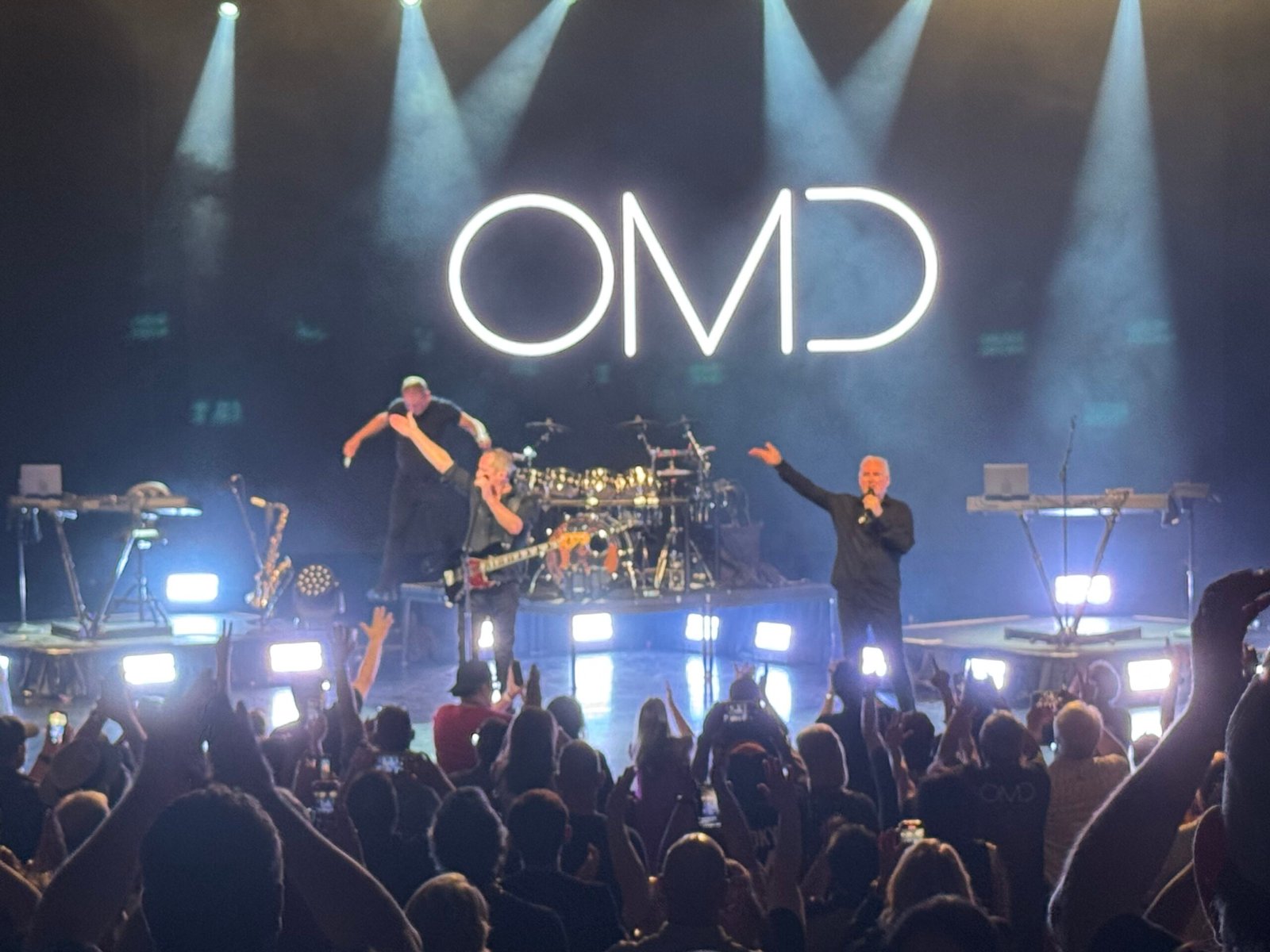
That deeper connection made seeing them again feel less like checking a nostalgia box and more like finally meeting a band I’d grown into. There were some interesting similarities: both shows were in June, both were at historic venues (Rose Bowl and Dallas’ Majestic Theater) and the show itself came with a funny twist of fate. During “Joan of Arc (Maid of Orleans)” in Dallas, Paul Humphreys ran into some technical issues—nothing major, just enough to stall the moment and earn some good‑natured ribbing from Andy and a laugh from the crowd.
What made it surreal was that I had just been rereading legendary KROQ and SiriusXM First Wave DJ Richard Blade’s expanded autobiography, where he mentions OMD having similar technical problems at the start of their Rose Bowl set in 1988. Thirty‑seven years apart, two different states, two different eras of technology—and somehow both times I’ve seen them, a glitch. It felt like the universe winking.
OMD in 2025: A Band Still Moving Forward
One of the joys of revisiting OMD after all these years is seeing how relentlessly creative they’ve remained. Instead of treating their catalog like a museum exhibit, they’ve kept expanding it—album after album, idea after idea—well into the 21st century. Their 2023 album Bauhaus Staircase isn’t just a late‑career surprise; it’s one of their strongest records, and honestly one of the best albums any ’80s new wave band has released this century. Hearing those newer songs live alongside the classics made the show feel less like a nostalgic return and more like stepping into a band that’s still evolving in real time.
OMD’s 2025 Setlist — Past and Present in One Night
What struck me most about OMD’s 2025 setlist was how boldly it leaned into the present. They played twenty‑one songs that night, and more than a third of them didn’t even exist the first time I saw them in 1988. Five tracks came from Bauhaus Staircase, one from 2010’s History of Modern, and two from 1991’s Sugar Tax—an album released after their commercial peak but one that has aged far better than anyone expected. It’s rare for a band with a catalog as beloved as OMD’s to devote that much space to newer material, and it says everything about their confidence in what they’re creating now.
Of course, they still delivered the essentials: Enola Gay, Electricity, Messages, Tesla Girls —the songs that defined their early years and anchored my own teenage soundtrack. But hearing those classics woven in with the newer songs didn’t feel like a nostalgia act padding the set with hits. It felt like a band presenting a complete story, one that didn’t stop in the ’80s or ’90s but kept unfolding long after I stopped paying close attention for about 25 years.
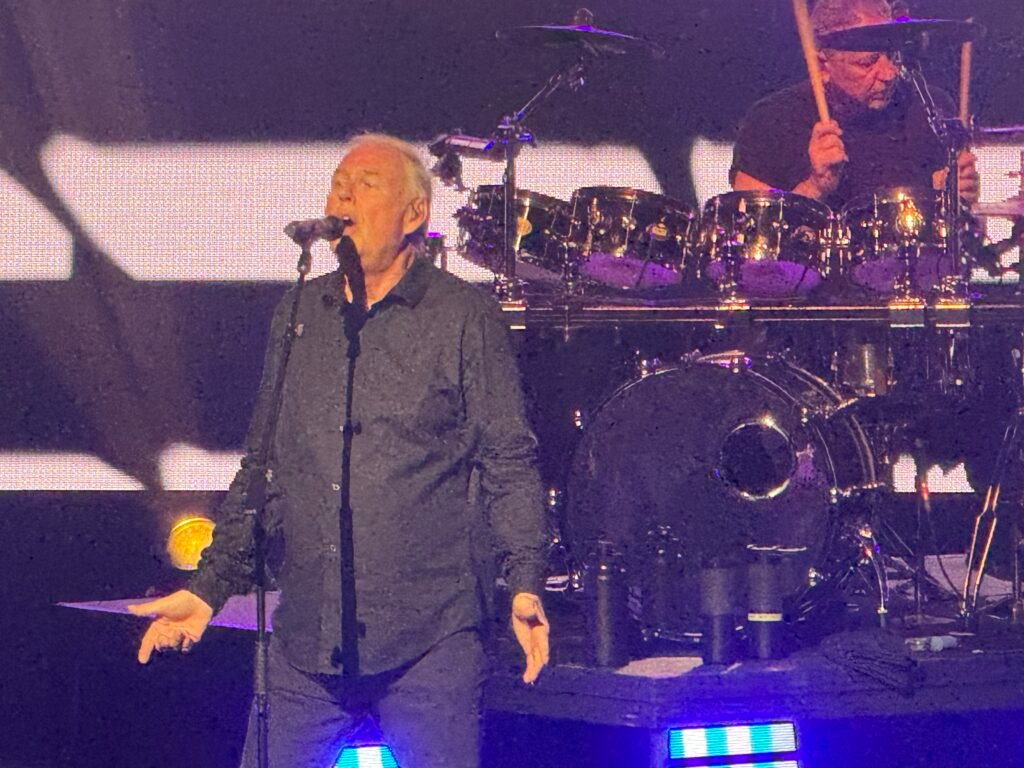
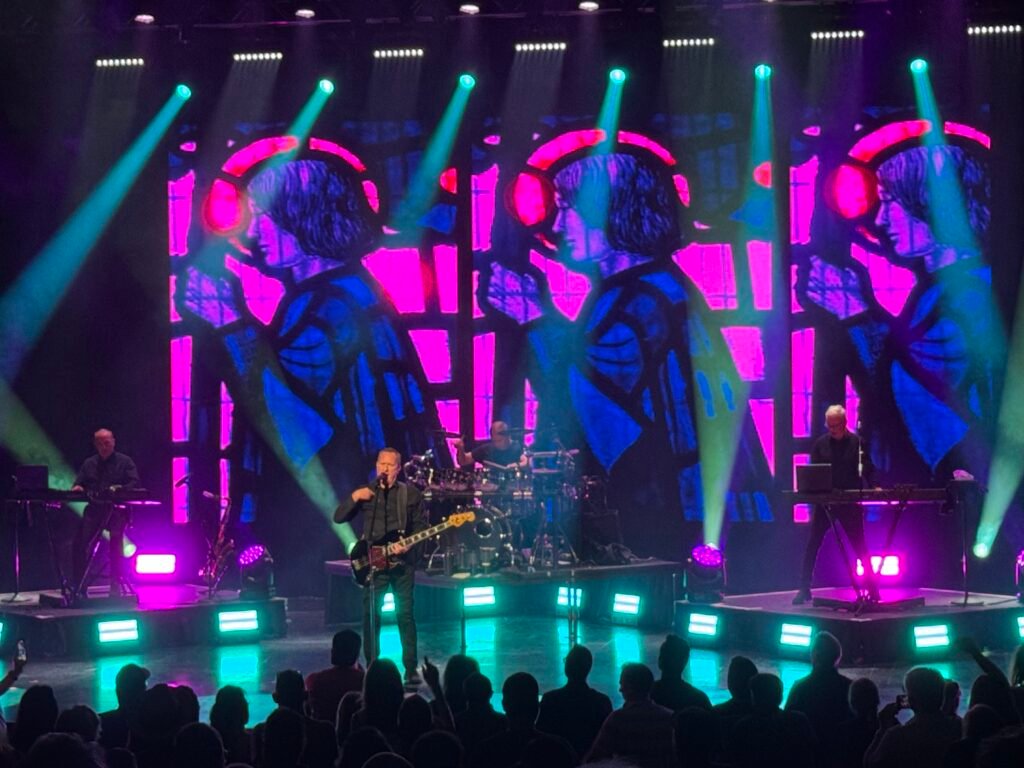
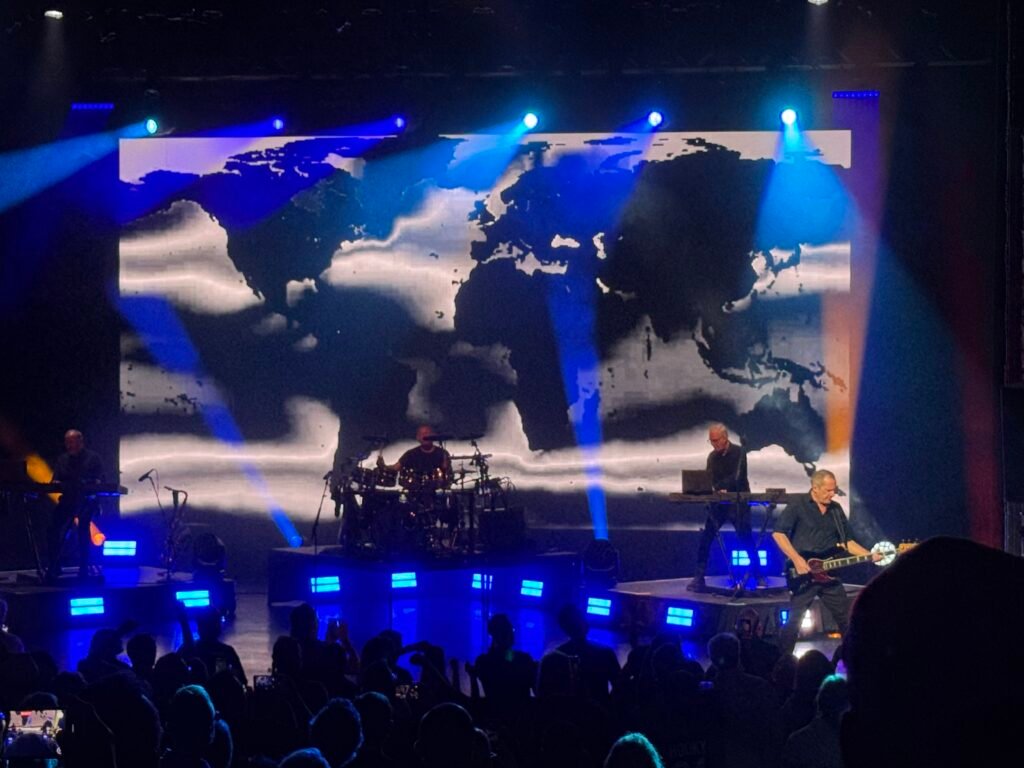
That blend of eras made the show feel almost like a conversation between the OMD I first saw at the Rose Bowl and the OMD I’ve rediscovered through streaming deep dives and at work ear-bud sessions. The newer songs didn’t just hold their own—they often felt like the emotional center of the night. And the biggest moment of all came with “Don’t Go” from Bauhaus Staircase, which turned into a massive, full‑venue sing‑along. Hearing a brand‑new song ignite that kind of response—decades into a band’s career—was a reminder of just how alive and forward‑moving OMD still is.

On to the Next Set
Walking out of the Majestic Theater in Dallas that warm Texas night, it struck me how rare it is for a band to feel both familiar and brand new at the same time. OMD was the first of these five bands I ever saw live (and only my third concert at the time), and somehow they’re one of the bands that’s evolved the most.
That realization made me think back to the other bands from that same era—Depeche Mode, Love and Rockets, The B‑52’s, and Jane’s Addiction—and how differently my history with each of them unfolded. If OMD showed me what it looks like when a band grows alongside you, the others would remind me what it feels like when time, memory, and music collide in completely different ways. Their stories come next.